lng impacts
A climate bomb damaging a livable future
LNG is a fossil fuel that accelerates climate change
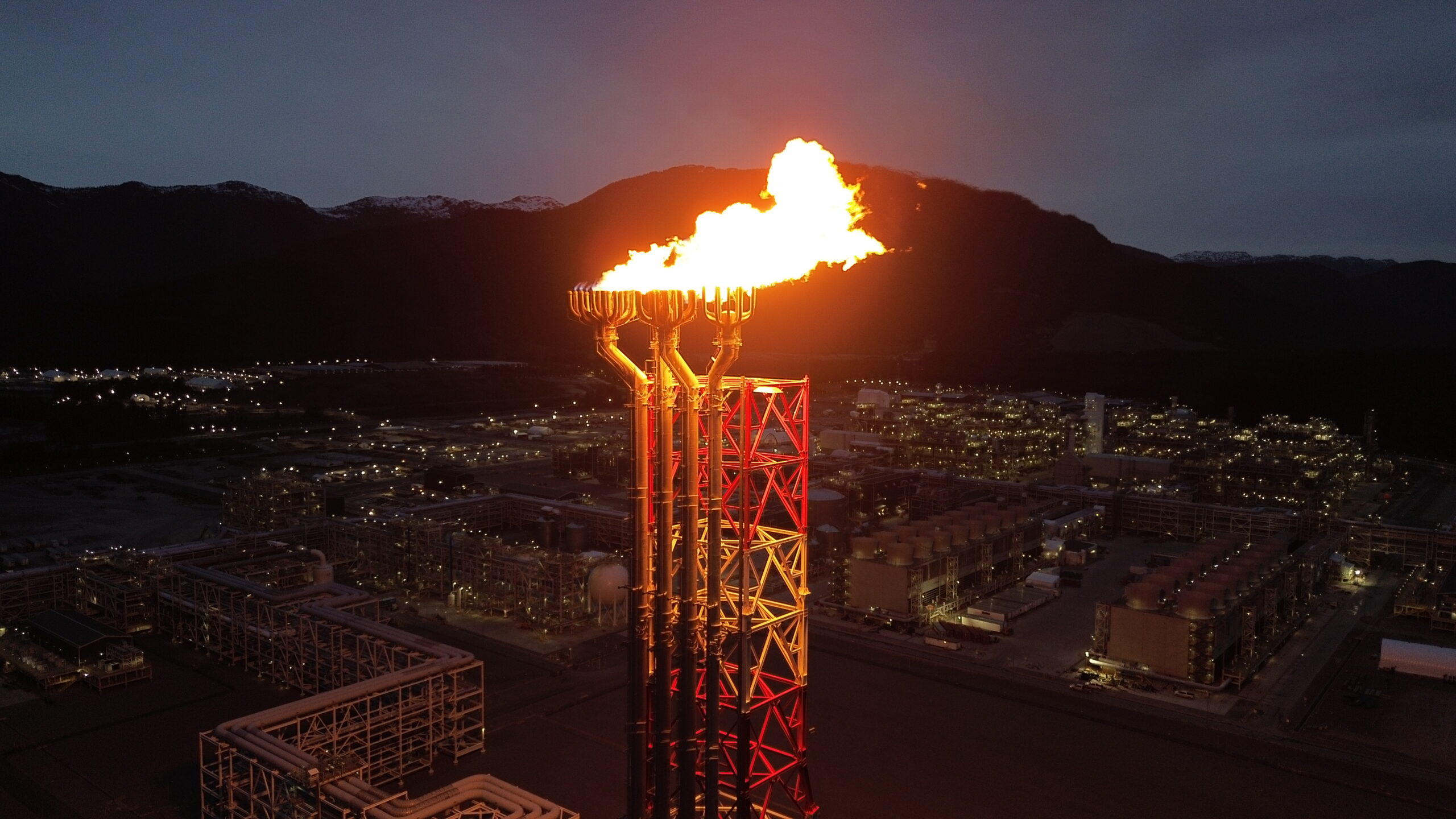
The 68 LNG export terminal projects planned for start-up up to and including 2030 could contribute to the release of over 10 gigatonnes (Gt) of carbon dioxide equivalent (CO2e), according to Reclaim Finance analysis. This includes more than 58 million tonnes (Mt) of CO2e from methane leaks.
Why is LNG so polluting?
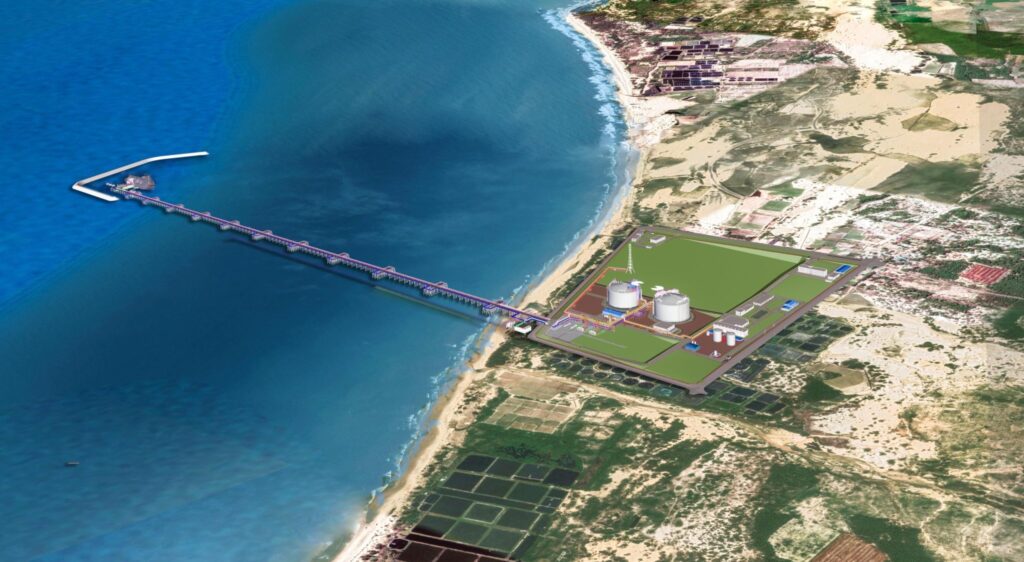
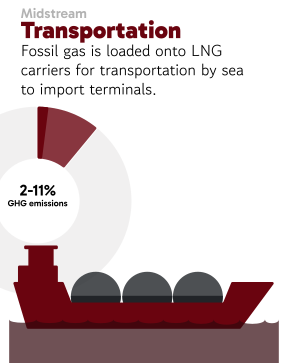
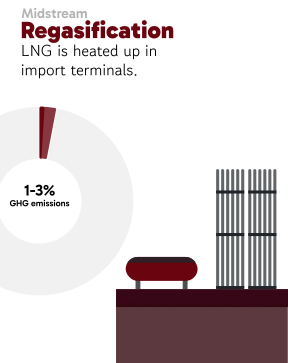
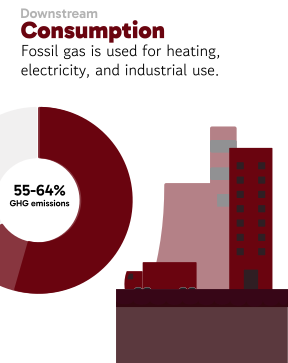
The liquefaction process is highly energy intensive, consuming approximately 10% of the fossil gas that is processed – powering heat pumps, for example. The other stages of the process also add to the LNG carbon footprint, with greenhouse gas (GHG) emissions occurring during transportation as well as storage and regasification – the liquefied gas is reheated by combustion at import terminals to convert it back to gas.
LNG is composed mostly of methane – a greenhouse gas over 80 times more powerful than CO2 over 20 years. Methane releases throughout the LNG value chain can make LNG more polluting than coal, especially when release rates are high. This is especially true for gas from the US – the world’s leading LNG exporter – where export terminals are connected by a network of pipelines to shale gas fields where methane leakage is widespread.
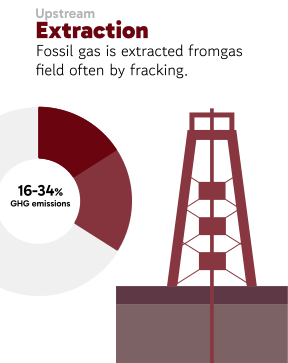
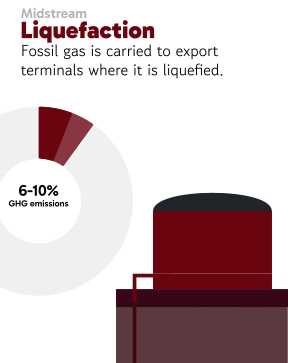
LNG export terminal expansion drives upstream gas expansion
LNG is not a « clean » or « transition » fuel – industry claims are misleading
Industry claims that LNG is a “clean” fossil fuel and a “transition fuel” critical to the energy transition are not supported by science and the current energy market landscape.
Suggestions to reduce emissions are insufficient
Case studies
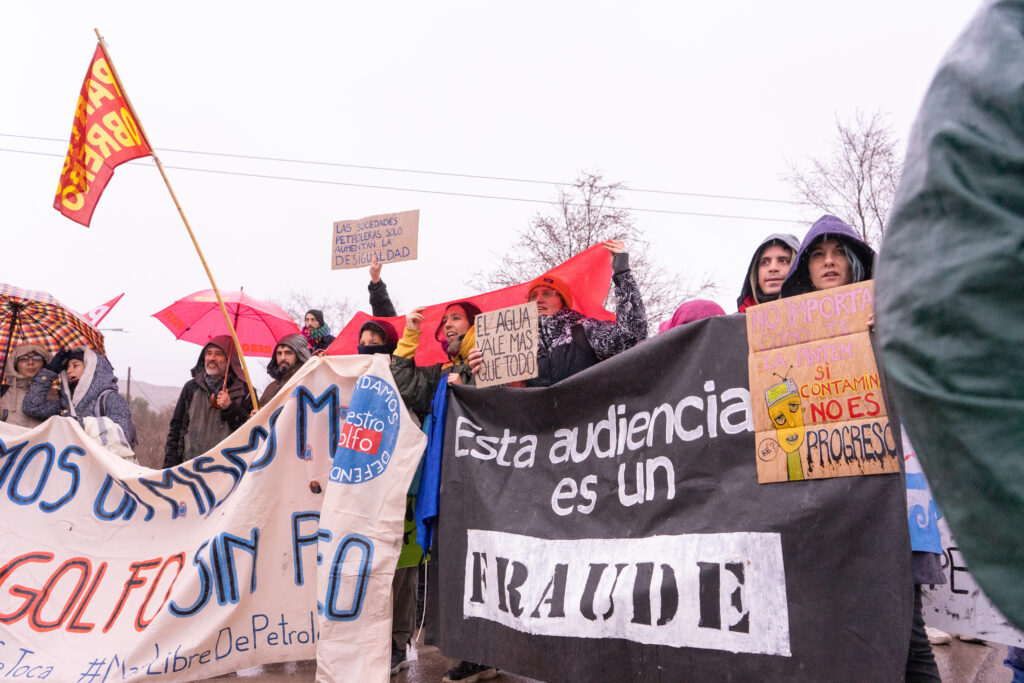
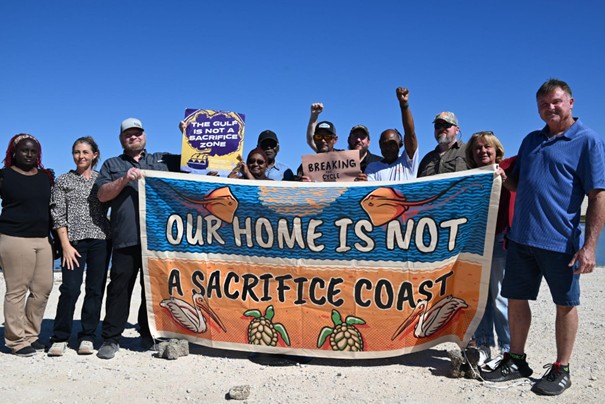
We – NGOs fighting LNG expansion and communities affected by the LNG boom – call on banks to adopt comprehensive policies to end all financial services for new LNG projects, associated methane carriers, infrastructure, and LNG developers.
We call on insurers to stop providing coverage for new LNG export and import terminals.
We call on companies to immediately halt LNG expansion plans, which are having devastating impacts on communities, ecosystems, and the climate.