lng impacts

the economic and financial risks

The LNG market is set to experience its largest wave of additional supply through to 2030.

According to industry projections, this additional supply will be absorbed primarily by developing and emerging markets, particularly in the Asia Pacific region. However, this expected rise in demand may never materialize — posing significant risks for companies and banks betting on the growth.

LNG is expensive and increasingly uncompetitive.

Many countries in the Asia Pacific region already access domestically produced coal and/or natural gas at much lower costs than LNG. While local reserves decline, a shift toward renewable sources of power is likely — the decreasing costs of renewables, especially when paired with battery storage, also make LNG an increasingly uncompetitive option. Meanwhile, gas and LNG consumption in European countries is expected to decline from 2025 — a trend likely to continue due to energy efficiency measures and the growth of renewable energy.

LNG does not ensure energy security and can create long-term dependencies.

Countries relying on LNG face exposure to volatile spot market prices, as the LNG market is known for its high price fluctuations. Alternatively, they often commit to long-term « take-or-pay » contracts that are difficult to renegotiate or exit — Pakistan’s current attempts to revise its LNG contracts with Qatar are a case in point. This dependency adversely affects the prices people pay for their energy, including in exporting countries.

Major consultancy firms, international organizations, industry leaders, and independent experts have flagged the risk of overcapacity and a potential supply glut. This could result in recently built LNG methane carriers and terminals becoming stranded assets in a few years: in importing regions like Europe; in both importing and exporting countries such as those in Latin America (if the region is to meet its climate objectives); and in exporting countries like Canada and Australia. Both overcapacity and a supply glut would pose significant financial risks to financial institutions and the companies behind LNG projects.

In the short term, some experts have voiced concern about a possible market bubble – in a context where several projects in Vietnam and the Philippines are delayed due to regulatory, financial, and turbine supply challenges.

Case studies

Coral triangle

Asia Pacific

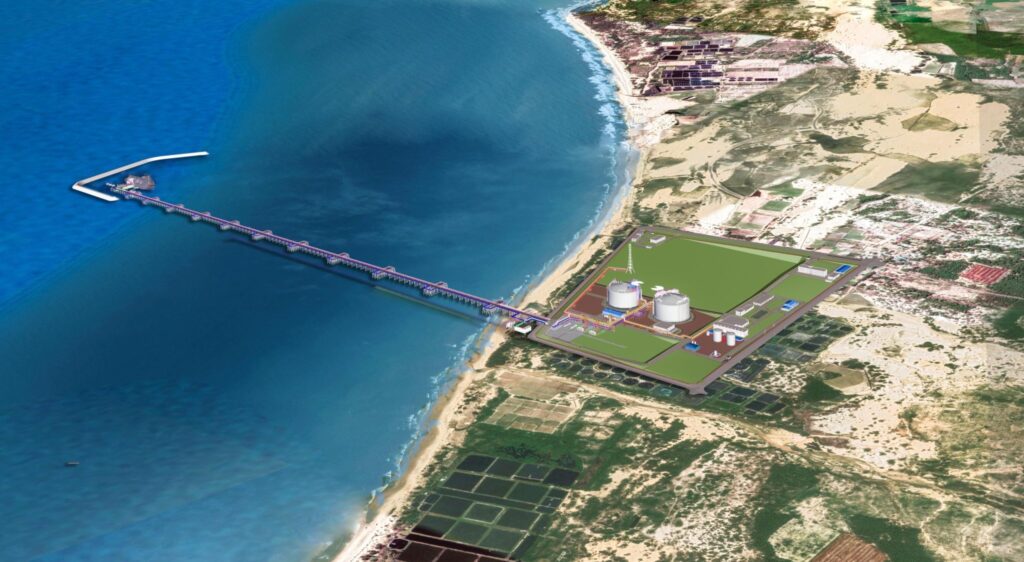
Vietnam – EDF’s Son My

Asia Pacific

Papua LNG

Asia Pacific

LNG terminal in Vado Ligure OR Sardinia

Europe

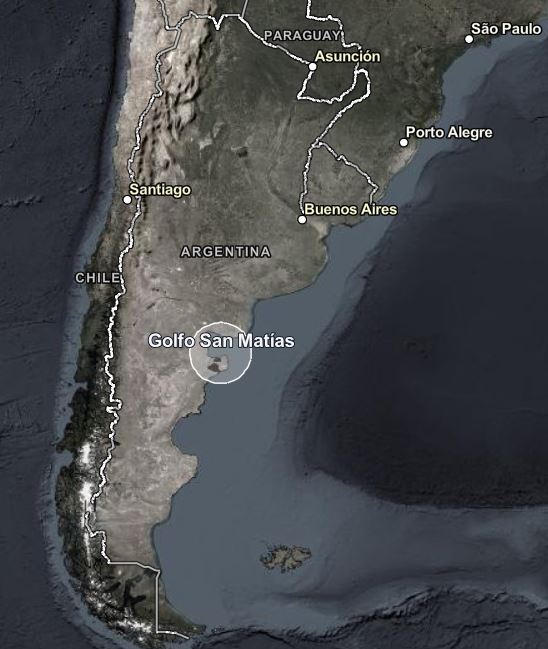
Argentina – LNG expansion in San Matías Gulf

South America

Brazil – Azulão complex

South America

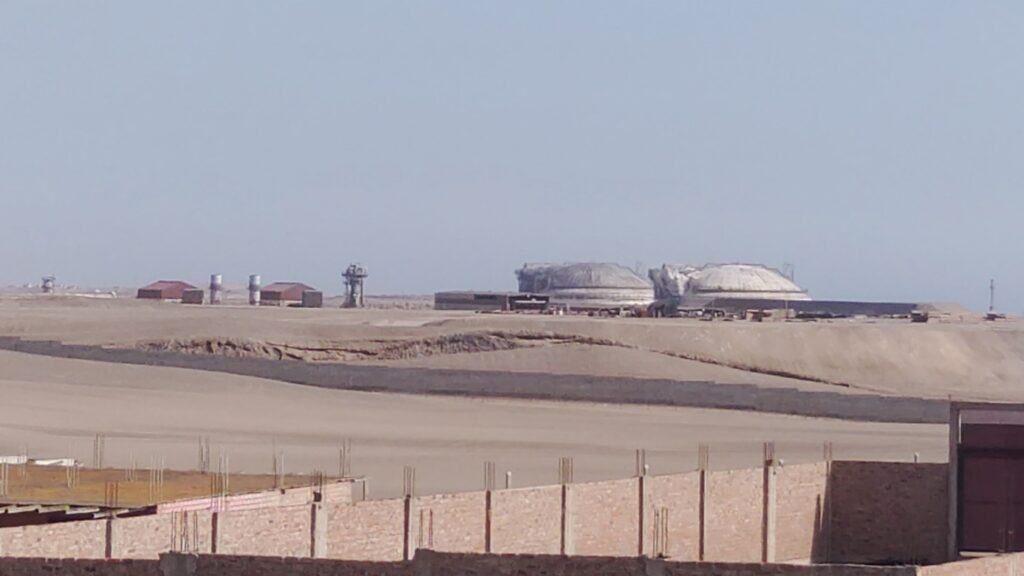
Peru – Camisea and LNG expansion

South America

United States – CP2

North America

United States – Rio Grande LNG

North America

Canada – LNG Buildout

North America

Rovuma LNG

Africa

Back the campaign against LNG