lng impacts

A climate bomb damaging a livable future

LNG is a fossil fuel that accelerates climate change

The 68 LNG export terminal projects planned for start-up up to and including 2030 could contribute to the release of over 10 gigatonnes (Gt) of carbon dioxide equivalent (CO2e), according to Reclaim Finance analysis. This includes more than 58 million tonnes (Mt) of CO2e from methane leaks.

Why is LNG so polluting?

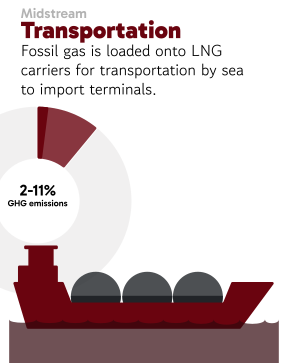
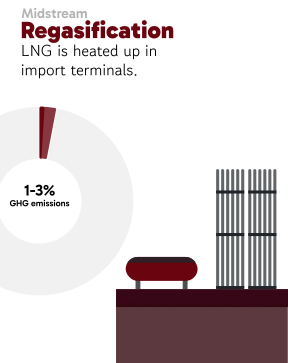
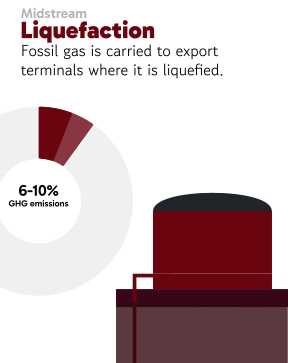
The liquefaction process is highly energy intensive, consuming approximately 10% of the fossil gas that is processed – powering heat pumps, for example. The other stages of the process also add to the LNG carbon footprint, with greenhouse gas emissions occurring during transportation as well as storage and regasification – the liquefied gas is reheated by combustion at import terminals to convert it back to gas.

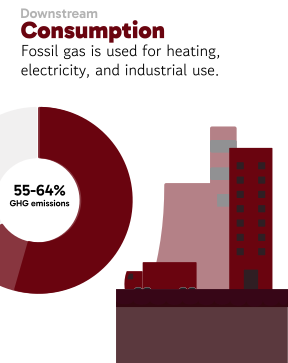
LNG is composed mostly of methane – a greenhouse gas over 80 times more powerful than CO2 over 20 years. Methane releases throughout the LNG value chain can make LNG more polluting than coal, especially when release rates are high. This is especially true for gas from the US – the world’s leading LNG exporter – where liquefaction terminals are connected by a network of pipelines to shale gas fields where methane leakage is widespread.
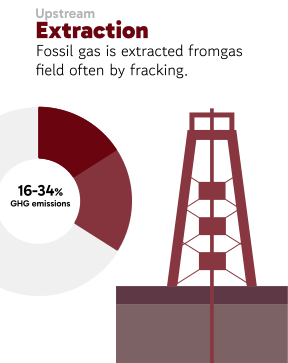
LNG Extraction
LNG Liquefaction
LNG Transportation
LNG Consumption

LNG export terminal expansion drives upstream gas expansion

Gas field developments used to depend on the pipeline infrastructure connecting them to gas demand. But the LNG boom is creating new routes for fossil gas to meet distant market demand. Many LNG terminals have been planned alongside the gas field expansions developed to feed LNG plants. Reclaim Finance identified 46 short-term upstream gas expansion projects that are directly linked to LNG terminals (calculation made by Reclaim Finance using Rystad Energy database).

Some LNG terminal projects are directly connected to the gas network, rather than to a specific field. In this way, LNG terminals can drive gas expansion across a whole region. This is the case in the US Gulf region (Permian Basin, Eagle Ford shale, etc.) as well as in the Vaca Muerta shale gas basin in Argentina.

Once an LNG terminal is operational, new gas fields may be developed to maintain the LNG export terminal utilization rate. For example, Santos is planning to get its FID in 2026 for the Agogo and Moran fields in Papua New Guinea to feed ExxonMobil’s PNG LNG export terminal.

LNG is not a « clean » or « transition » fuel – industry claims are misleading

Industry claims that LNG is a “clean” fossil fuel and a “transition fuel” critical to the energy transition are not supported by science and the current energy market landscape.

LNG is not a bridge fuel — it does not replace coal in the energy mix of developing countries such as China.

In India, claims that LNG is displacing coal are increasingly challenged due to the rapid growth of renewables, the high cost of LNG, and limited domestic gas production.

Investment in LNG infrastructure requires a greater share of gas in the energy mix to be profitable

especially given the current risk of oversupply, leading to competition with sustainable energy sources and diversion of funds.

LNG expansion locks in long-term fossil gas combustion, undermining climate goals.

The development of LNG import terminals slows down the fossil gas phase-out, with some being developed alongside new gas power plants — as highlighted by IEEFA’s analysis of Europe.

Suggestions to reduce emissions are insufficient

Unproven or inadequate « solutions »

like carbon capture and storage (CCS), hydrogen, or certified gas are being used to justify continued expansion without credible climate alignment.

Emissions are systematically underreported.

According to the IEA, energy-related methane emissions are up to 80% higher than official data suggests. Satellite data has improved tracking, but gaps remain.

Existing technologies

such as leak detection and repair, low-emission equipment mandates, and flaring/venting restrictions are underutilized or poorly enforced. The gas industry often finds ways to circumvent regulations — using “enclosed combustors,” for example.

Case studies

Coral triangle

Asia Pacific

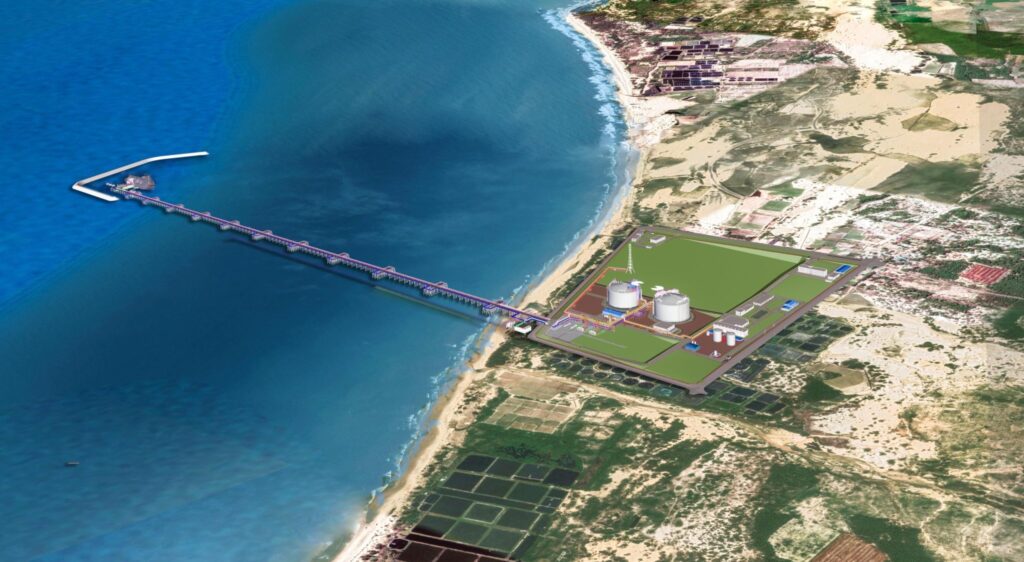
Vietnam – EDF’s Son My

Asia Pacific

Papua LNG

Asia Pacific

LNG terminal in Vado Ligure OR Sardinia

Europe

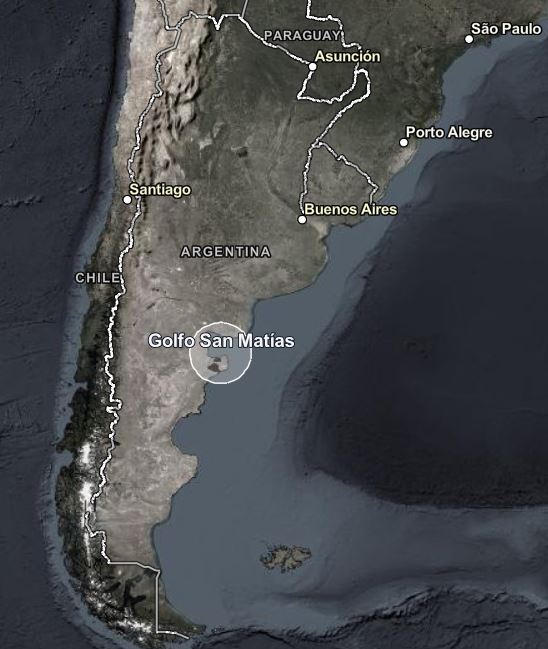
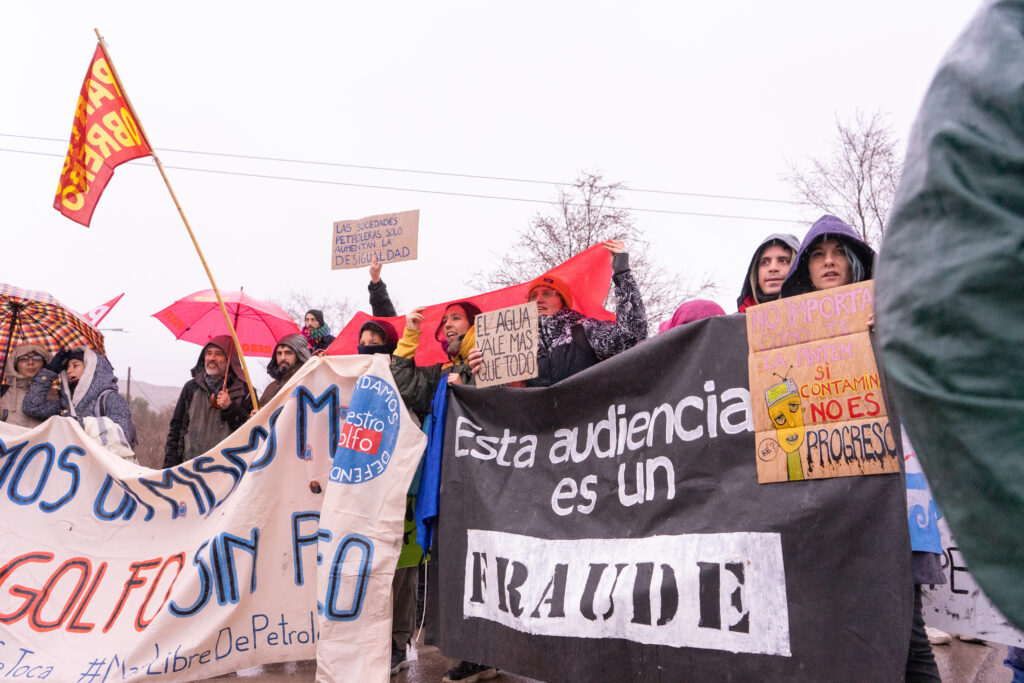
Argentina – LNG expansion in San Matías Gulf

South America

Brazil – Azulão complex

South America

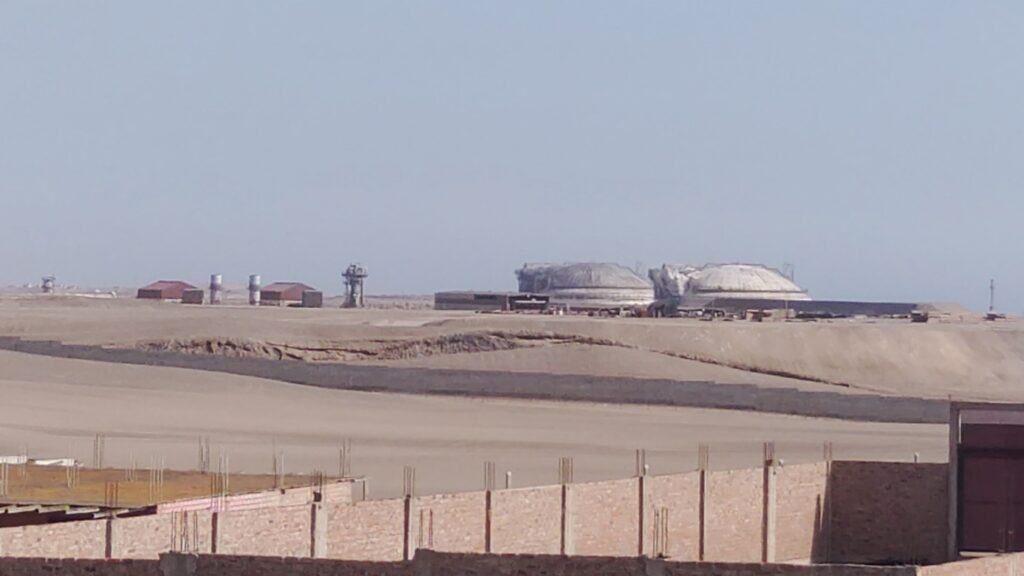
Peru – Camisea and LNG expansion

South America

United States – CP2

North America

United States – Rio Grande LNG

North America

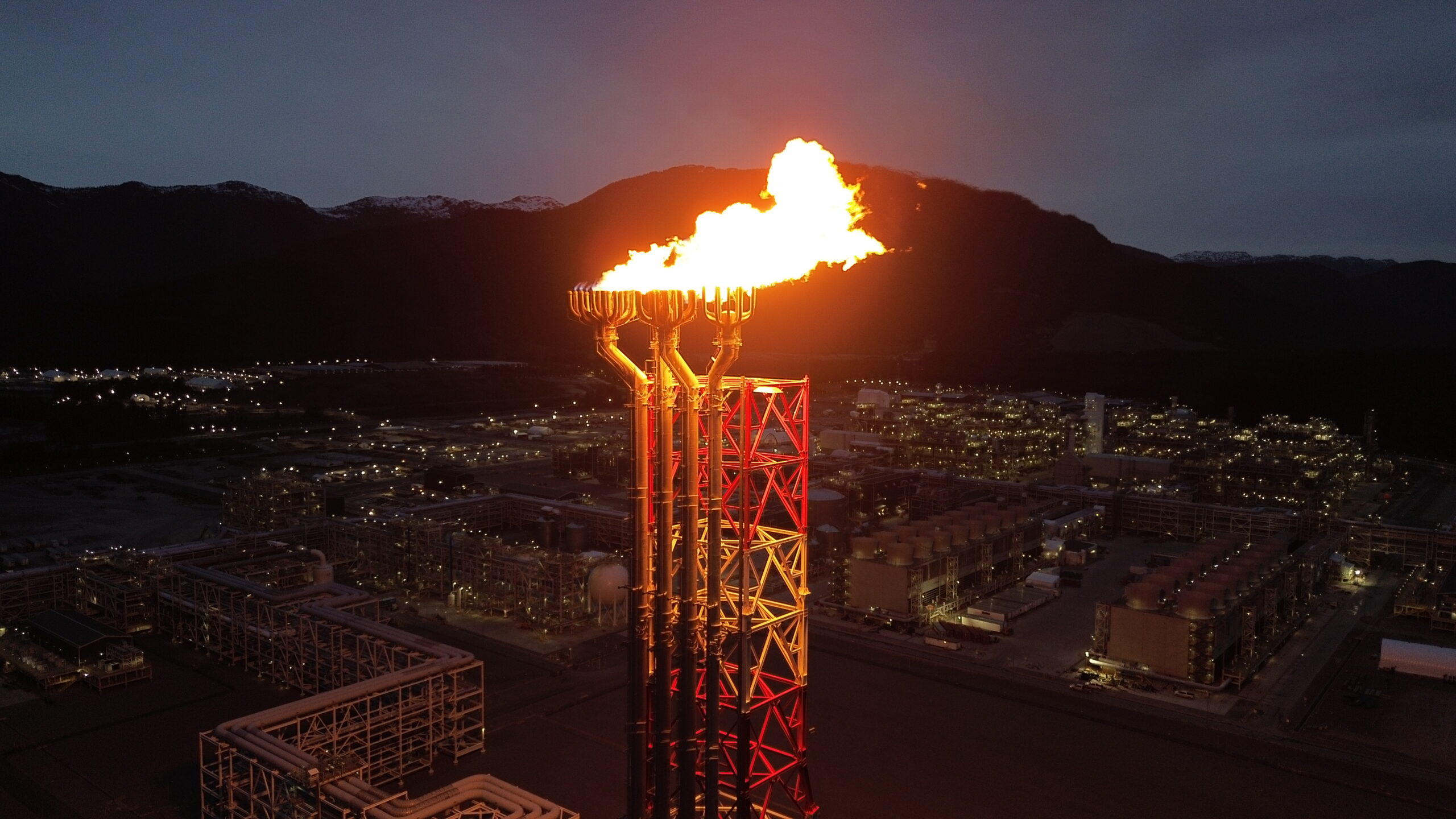
Canada – LNG Buildout

North America

Rovuma LNG

Africa

Back the campaign against LNG