lng impacts

on communities and ecosystems

LNG expansion has adverse economic impacts on the livelihoods of communities

The repeated promises of prosperity, social development, and employment used by LNG developers and their financiers to justify continued gas infrastructure funding are misleading.

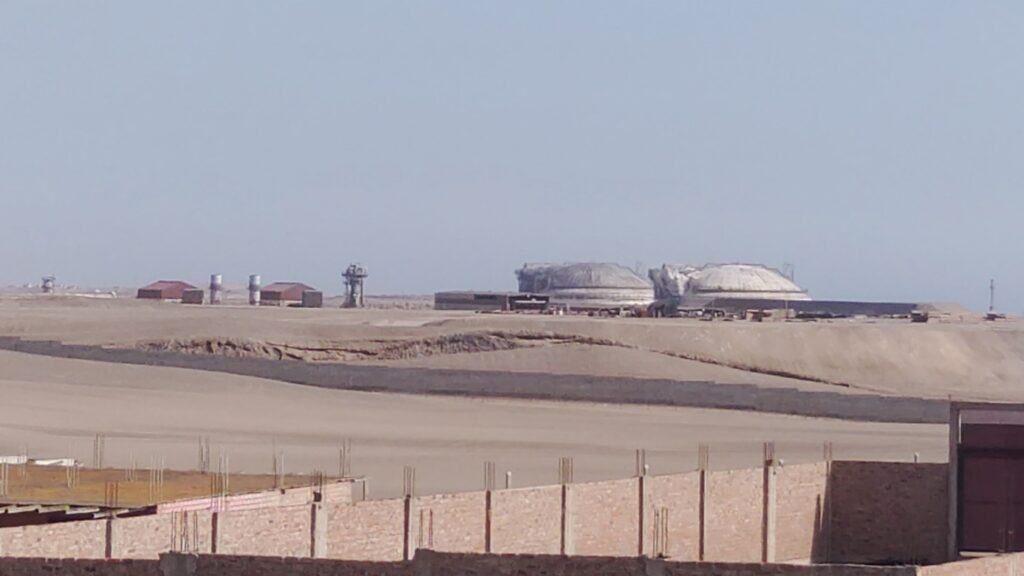
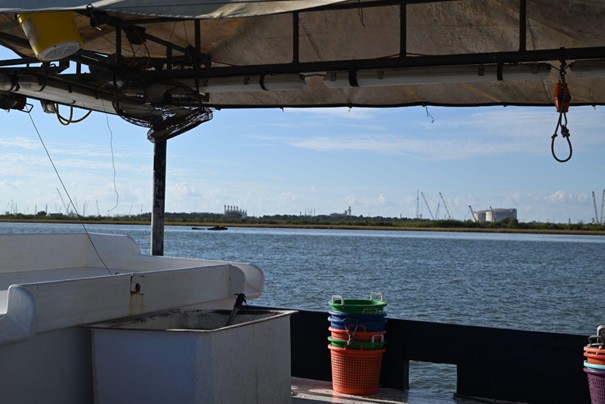
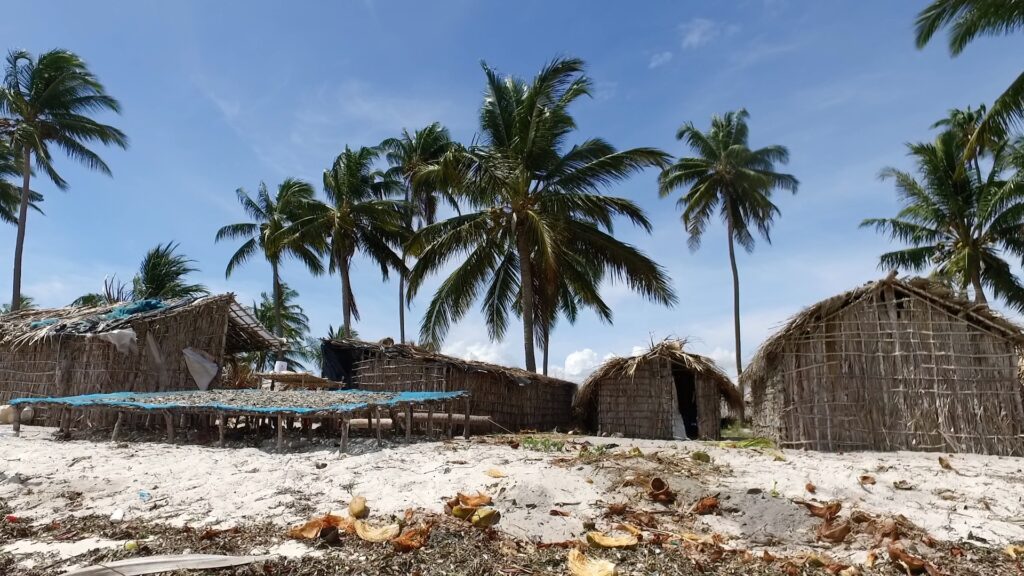
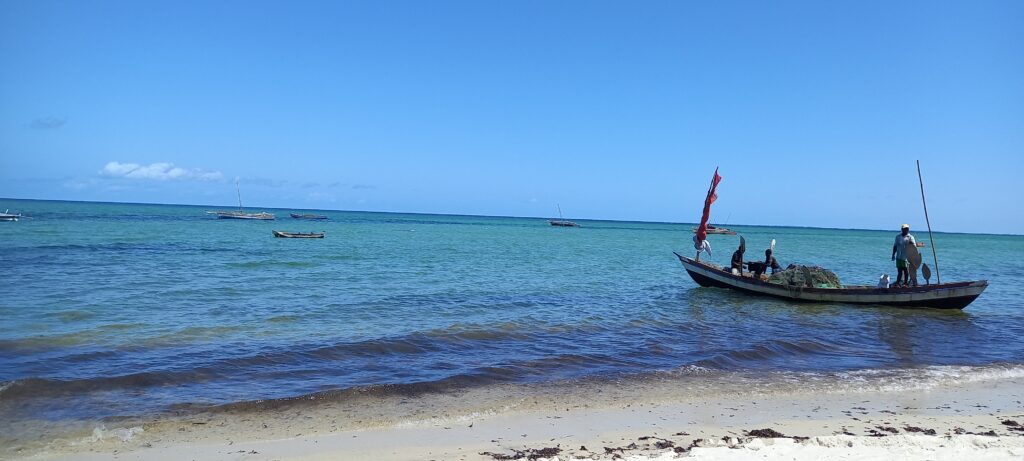
Around the world, the development of LNG terminals and LNG carriers often results in restricted access to areas near construction sites and terminals that were previously used by communities for tourism or fishing. In some cases, fishermen are forced to travel long distances to find new fishing grounds, leading to a sharp decline in their revenues because of increased fuel costs. Fishermen in areas near LNG terminals also report a decline in fish and seafood catches. The LNG boom in the US Gulf Coast – the biggest fossil fuel buildout of our lifetime – led many fishermen to abandon seafood fishing in an area once known as “the seafood capital of America”. LNG terminals also compete with local communities for freshwater resources, for example, in the Verde Island Passage in the Philippines (see the case study).

The promise of job creation locally often falls short. In middle-income countries, the oil and gas industry is also marked by widespread use of contract labor under precarious working conditions. High-paying jobs like managerial and engineering roles are typically not filled by local residents, but by outside professionals who constitute a small portion of the workforce. Generally, employment opportunities are limited; once operational, a typical LNG terminal employs fewer than 400 people.

In the US, LNG companies sometimes benefit from local public support in the form of tax abatements, based on corporate promises of jobs and investment. These incentives redirect and reduce the public funds available for essential services.

Human rights and environmental justice concerns in LNG development

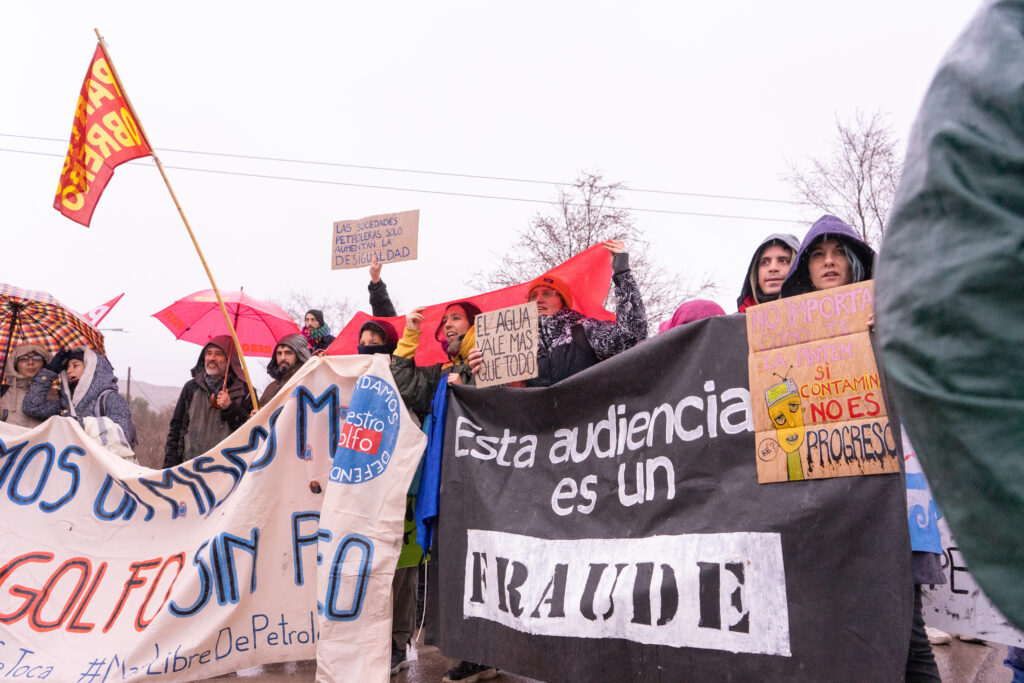
The rights of communities, including Indigenous communities, are often overlooked or violated in the development of LNG projects. For instance, TotalEnergies’ Papua LNG project in Papua New Guinea — currently under development — reportedly failed to provide nearby communities with clear, accessible information about project risks in their first languages. Additionally, the Indigenous Peoples potentially affected by the project do not appear to have been adequately informed and consulted — denying their rights to Free, Prior and Informed Consent (FPIC).

Similar violations have been reported in the US. For example, the Rio Grande LNG project by NextDecade in Texas has been criticized for failing to obtain FPIC from the Carrizo/Comecrudo Tribe of Texas, who were neither consulted nor gave their consent to the project (see the case study).

USA map

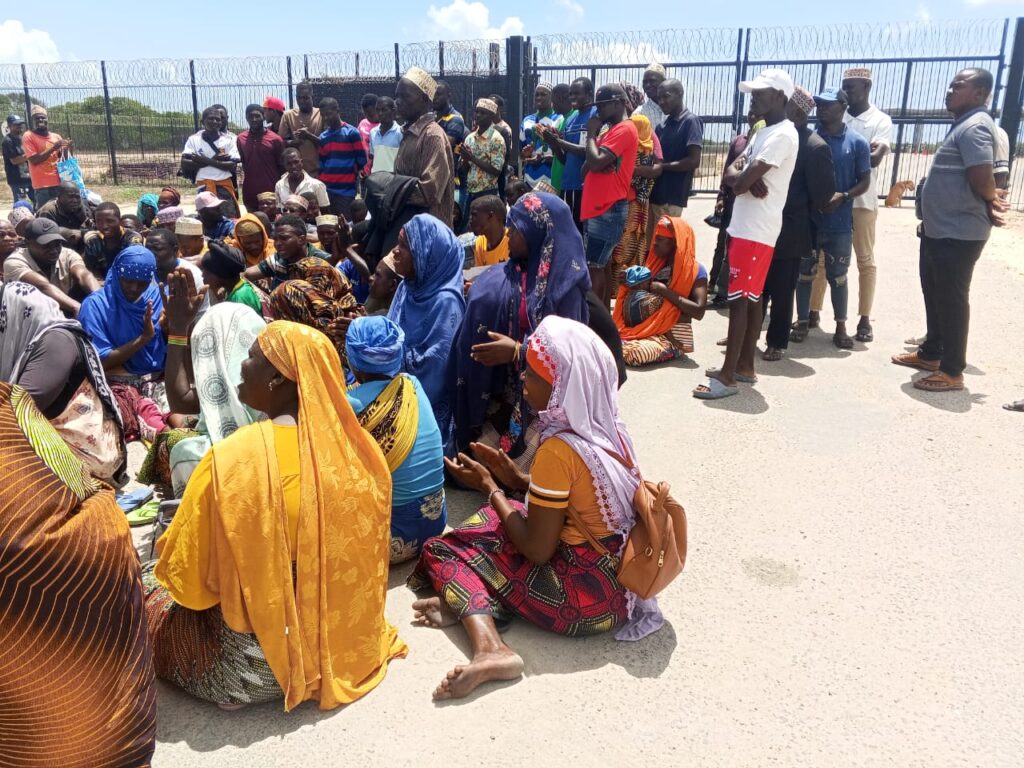
LNG projects developed in conflict-affected regions are also associated with serious human rights violations, in some cases leading to legal action. In Mozambique, a legal action has been initiated against TotalEnergies and its Mozambique LNG project, with journalistic investigations revealing serious human rights violations.

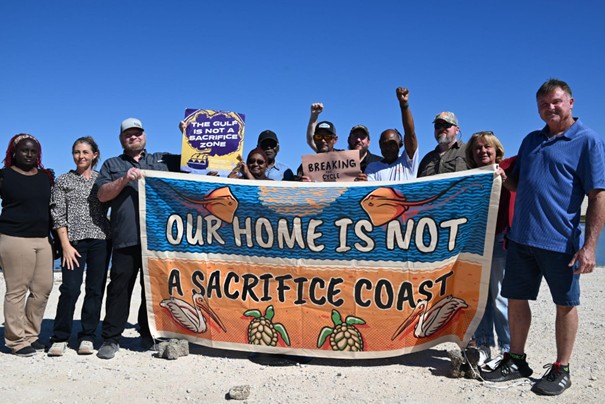
More broadly, the development of LNG terminals often raises concerns about discrimination and environmental racism. These projects frequently occur in areas with high poverty rates or in predominantly Indigenous or communities of color. In the US Gulf Coast, for instance, Louisiana has been labeled a « sacrifice zone » due to the concentration of oil refineries, petrochemical industries and more recently LNG terminals. The developments have had significant health and economic impacts on neighboring communities, which are largely Black and low-income.

Additionally, LNG terminals are sometimes developed in countries with authoritarian or non-democratic regimes, potentially strengthening those regimes while raising questions about the equitable distribution of LNG revenues and the ethics of supporting these types of governments. This concern has been echoed in criticisms of the European Union’s decision to shift its gas dependency from one authoritarian regime to another — moving reliance “from PutinGas to TrumpGas.”

Pollution, premature death, and public health impacts across the LNG value chain

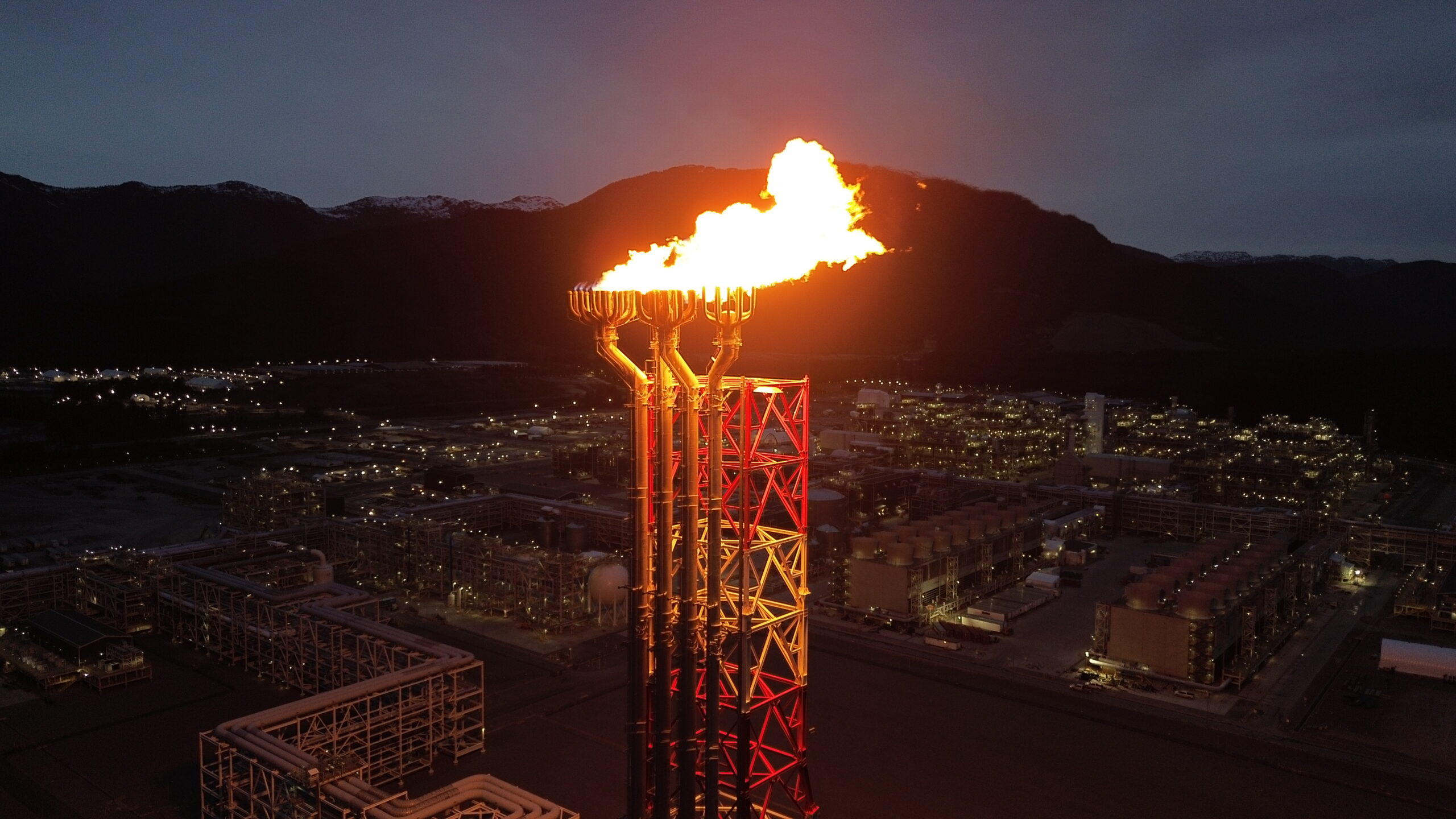
The LNG value chain produces greenhouse gases (notably CO2 and methane) and a variety of pollutants that contribute to local air quality problems (see the infographic for more details).

The most extensively studied health effects relate to particulate matter (PM2.5) pollution, which is responsible for an increase in morbidity and premature mortality worldwide. However, strong evidence also links other air pollutants (NOx and SOx), volatile organic compounds (VOCs, such as benzene and toluene), and heavy metals to a large range of health impacts (respiratory, cardiovascular, carcinogenic, neurological, birth outcomes, etc.).

Studies also demonstrate numerous potential occupational hazards linked to chemical exposure and industrial accident risks for workers in the LNG value chain, plus heightened risks for neighboring communities, and global indirect health effects resulting from climate change impacts.

Beyond occupational hazards, LNG export terminals are associated with spikes in particulate matter and NOx due to liquefaction operations and related maritime traffic, as well as increases in VOCs, noise, and light pollution — with cumulative exposure leading to increased health hazards for neighboring communities. Specific examples include Batangas City in the Philippines, Gladstone in Australia, or the infamous “Cancer Alley” in Louisiana. A report from NGOs based on the Environmental Protection Agency’s CO-Benefits Risk Assessment Health Impacts Screening and Mapping Tool (COBRA) estimated that the direct air pollution from all operational and planned LNG export terminals in the south of the US could cause up to 149 premature deaths and US$2.33 billion in health costs per year.

See Reclaim Finance factsheet for more information about the health impacts of LNG expansion.

LNG expansion dramatically affects ecosystems and biodiversity

LNG infrastructure and methane carriers have a significant range of impacts on ecosystems. Commonly reported impacts include:

Increased shipping traffic near terminals and along shipping routes:
This leads to higher levels of underwater noise, which disrupts marine life. Ocean background noise has doubled every ten years over recent decades due to increased marine traffic. The rise in vessel numbers and size also increases the risk of collision with marine animals.

Thermal pollution:
Seawater used to cool fossil gas is discharged back into the ocean at higher temperatures, disrupting reproductive cycles of marine species and reducing fish populations.

Habitat destruction:
Both the expansion of ports to accommodate larger LNG carriers and the building of LNG terminals disrupts and harms marine ecosystems. A dredging operation at the CP2 LNG site in the US Gulf Coast during summer 2025 resulted in sediment-laden spoil escaping containment and smothering hundreds of acres of marsh, burying oyster beds and crab traps, killing aquatic life, and threatening local fisheries and the livelihoods that depend on them.

Water pollution:
LNG processing and transport involve pollutants and wastewater discharge.

Case studies

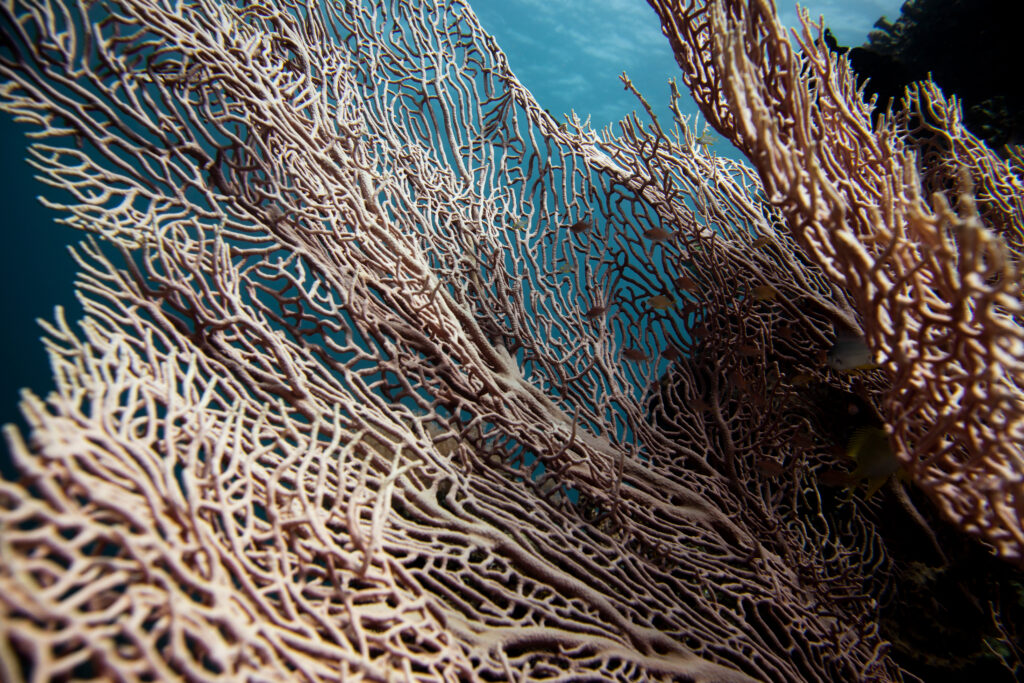
Coral triangle

Asia Pacific

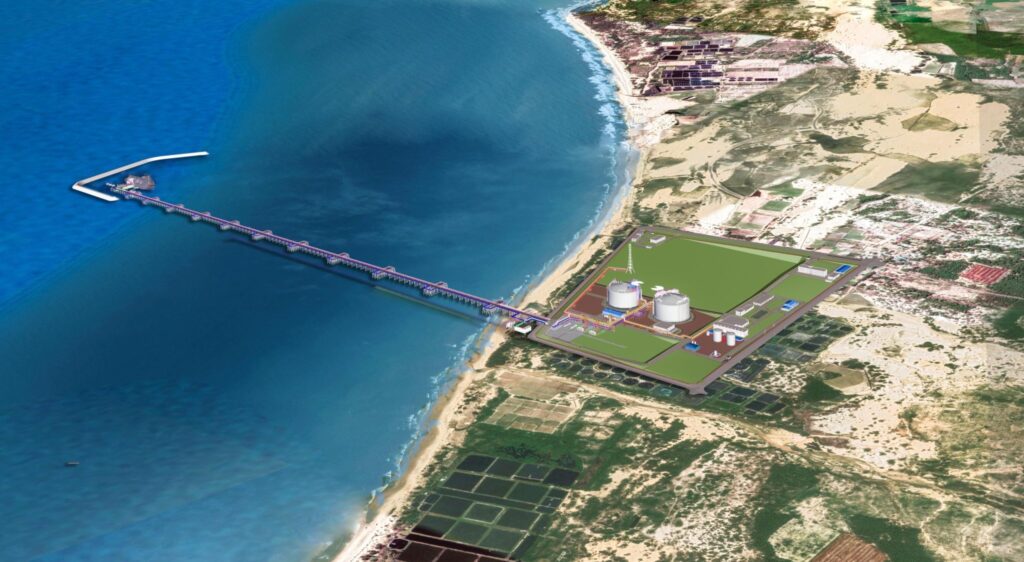
Vietnam – EDF’s Son My

Asia Pacific

Papua LNG

Asia Pacific

LNG terminal in Vado Ligure OR Sardinia

Europe

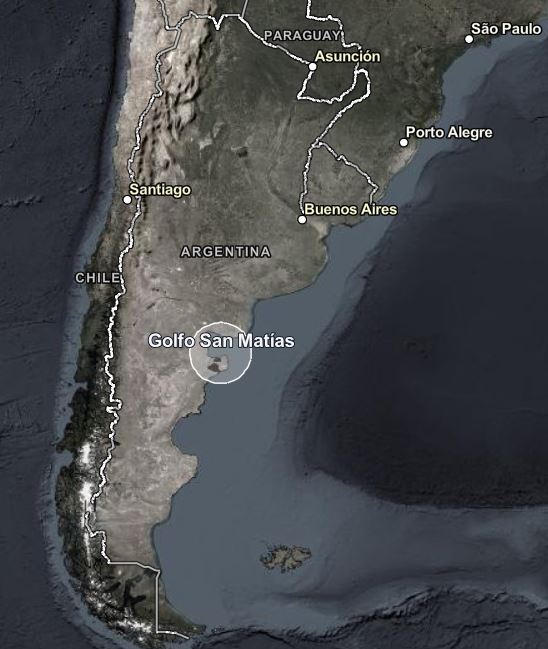
Argentina – LNG expansion in San Matías Gulf

South America

Brazil – Azulão complex

South America

Peru – Camisea and LNG expansion

South America

United States – CP2

North America

United States – Rio Grande LNG

North America

Canada – LNG Buildout

North America

Rovuma LNG

Africa

Back the campaign against LNG